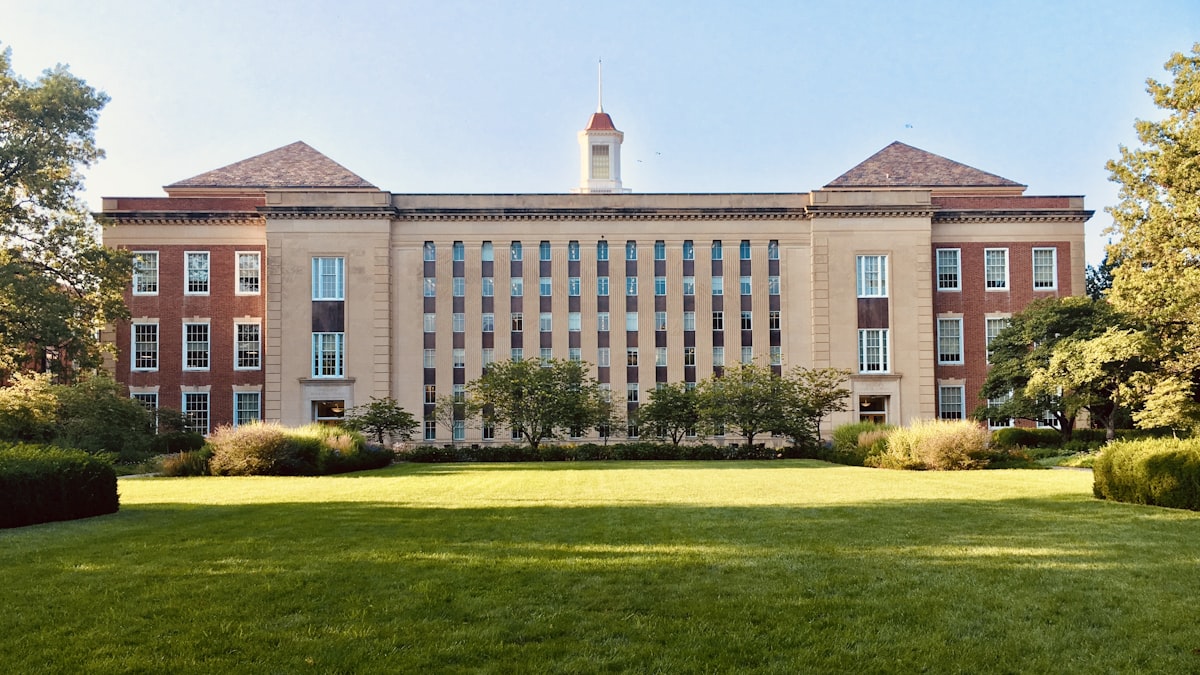
On May 22, 2025, the Department of Homeland Security announced something without precedent at this scale: it was revoking Harvard University's certification under the Student and Exchange Visitor Program, the authorization every school needs to enroll international students. At a stroke, roughly 6,800 students, about a quarter of Harvard's enrollment, faced the choice of transferring or losing status. Within a day Harvard sued, and within hours of that a federal judge blocked the revocation. The Harvard vs. DHS showdown became the defining test of how far immigration authority can be used as leverage against an institution.
How it escalated
The fight did not start with SEVP. Through spring 2025, the administration and Harvard clashed over campus antisemitism findings, demands for governance and admissions changes, and billions in frozen research funding. In April, DHS demanded extensive records on international students' protest activity and disciplinary history, warning that noncompliance would cost SEVP certification. Harvard produced some records; DHS deemed the response insufficient and pulled the certification in May. In June, a presidential proclamation attempted a second route, invoking entry-suspension authority to bar new foreign students from attending Harvard specifically. Courts blocked that too, with the judge extending protection through preliminary injunctions in June and a fuller ruling later in the year.
What the courts said
The rulings turned on two pillars:
- Process: SEVP decertification has a regulatory procedure, notice, specified grounds, an appeal path, and the government skipped it, moving by press-release-speed punishment rather than by the book
- Retaliation: the judge found credible evidence the action targeted Harvard's speech and institutional independence, raising First Amendment problems no administration, of either party, should want on its record
Students, meanwhile, remained enrolled and in status throughout, because the injunctions held.
An honest conservative reading
Let it be said plainly: the underlying grievances were not invented. Congress and multiple investigations documented serious campus antisemitism failures, and universities that take billions in public money are accountable to public law, including civil-rights law. Elite institutions are not above oversight, and SEVP compliance is a legitimate enforcement domain; schools have lost certification before for genuine violations. But the rule of law cuts both ways. Using student-visa authority as a bargaining chip in an unrelated political dispute converts thousands of rule-following students, who applied honestly, paid tuition, and complied with every requirement, into hostages. If Harvard broke SEVP rules, prove it through the process that exists. Punishment without process is not conservatism; it is the arbitrary discretion conservatives usually warn against. The courts enforcing that boundary was the system working.
What this means for you
For current and future international students, three practical lessons. First, your status rides on your school's certification, so diversify your risk awareness: know your school's SEVP standing, keep your I-20s, transcripts, and financial records organized, and know the transfer process in case any school, for any reason, loses certification. Second, injunctions protected Harvard's students, but only because Harvard litigated instantly; if your institution lands in a similar fight, follow your international office's guidance daily and do not make unilateral decisions like dropping enrollment or leaving the country. Third, the era's larger message: politics can reach even the most gilded corners of the system, and the students who weathered it best were those with complete records and full personal compliance, whose individual cases were unassailable no matter what raged above them.
Not sure which visa fits your situation? Take the free 2-minute One Way visa quiz and get your match instantly.