
Visa Refusal Rates by Country: Five Years of 214(b)
Section 214(b) refusals are the most common visa denial on earth. Five years of country-by-country refusal data, what drives the differences, and how applicants beat the odds.

U.S. Visas for Brazil Nationals: How Five Years Changed the Game
Brazilians faced some of the longest U.S. visitor visa waits in the world, then saw dramatic recovery. Here is what changed for Brazil between 2021 and 2026.

State vs. Federal: Who Really Controls Immigration
Texas builds barriers, states sue over federal policy, cities declare sanctuaries. So who actually controls immigration? The constitutional answer is clearer than the headlines suggest.

The Visa Bulletin Decoded: How Priority Dates Really Move
The monthly Visa Bulletin controls when millions can finish their green cards. Here is how priority dates really move, why they retrogress, and how to read the charts like a pro.

Five Years That Reshaped the EB-3 (2021–2026)
The EB-3 green card rode a visa-number windfall, then sank back into PERM delays and retrogression between 2021 and 2026. Here is the arc for skilled workers.
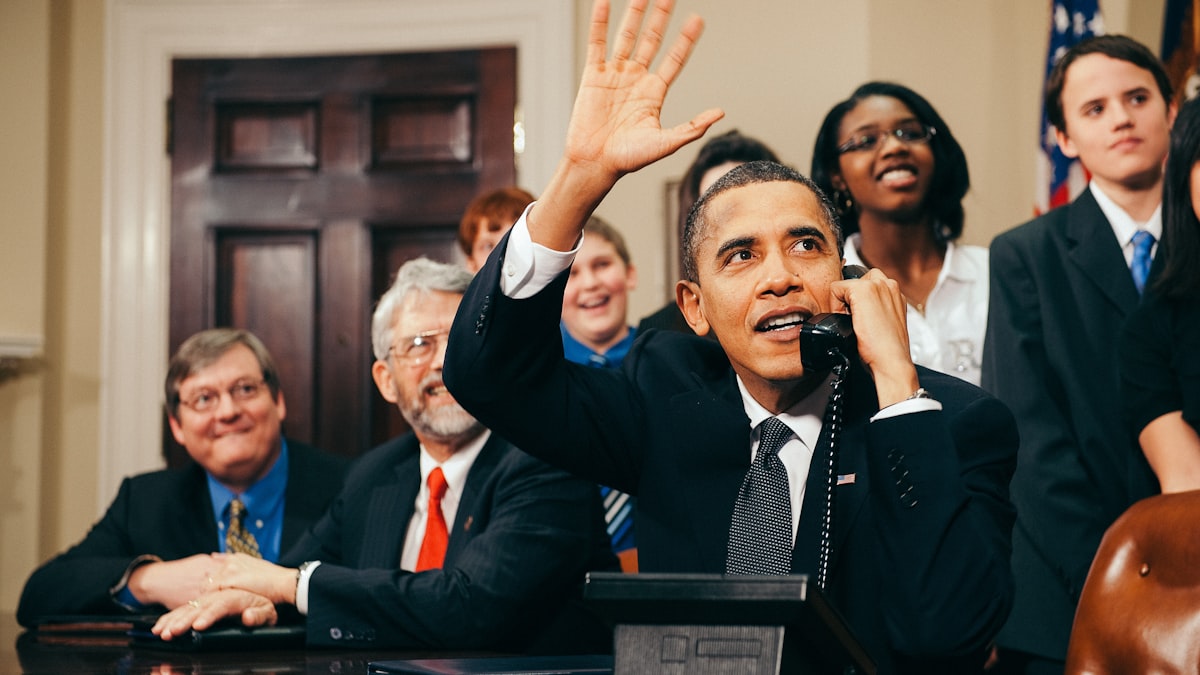
Universal Injunctions Are Gone: What That Means for You
The Supreme Court's 2025 ruling curbing universal injunctions changed how immigration policies get blocked in court. Here is what replaced them and how it affects your case.

U.S. Visas for Cuba Nationals: How Five Years Changed the Game
A reopened Havana embassy, a historic exodus, parole programs that vanished, and the unique Cuban Adjustment Act: how U.S. visas changed for Cubans from 2021 to 2026.

Five Years That Reshaped the H-1B (2021–2026)
From lottery fraud scandals to a $100,000 fee proclamation, the H-1B was transformed between 2021 and 2026. Here is the full arc, and what it means for applicants.
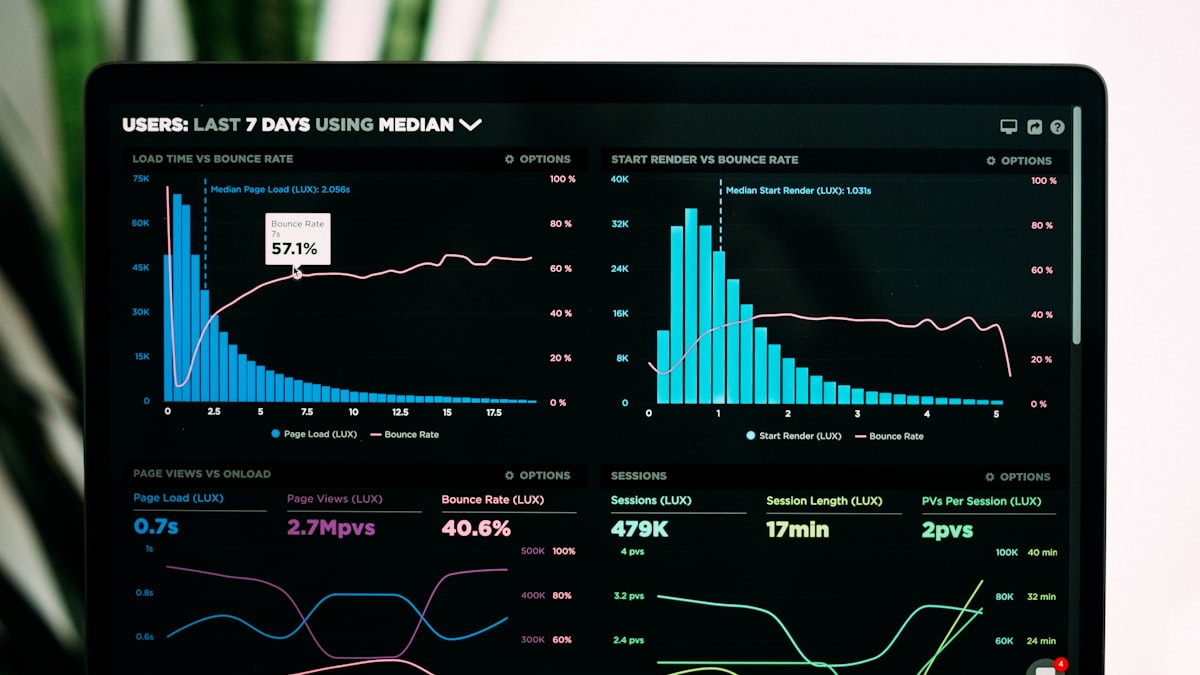
Per-Country Caps: The Math Behind the India Line
Why do Indian professionals wait decades for green cards? The per-country cap math explains it. Here is how the 7 percent rule works and what it means for your case.

U.S. Visas for Pakistan Nationals: How Five Years Changed the Game
From pandemic consular shutdowns to long dropbox lines and stubborn Visa Bulletin backlogs, U.S. visas for Pakistan nationals shifted dramatically between 2021 and 2026. Here is what actually changed.
Birthright Citizenship: The 14th Amendment Fight Explained
A 2025 executive order reignited America's oldest citizenship question: who is born a citizen? Here is the 14th Amendment fight, the case law, and the stakes.
Reading a Presidential Proclamation Like a Lawyer
Presidential proclamations on immigration cause panic because people read headlines, not text. Learn the five sections lawyers check first: scope, effective date, exceptions, and waivers.

U.S. Visas for South Korea Nationals: How Five Years Changed the Game
Visa Waiver convenience, massive corporate investment, and a factory raid that shook the alliance: how U.S. visas changed for South Korean nationals from 2021 to 2026.
Five Years That Reshaped the L-1 (2021–2026)
The L-1 intracompany transfer visa quietly transformed between 2021 and 2026: spouse work rights, higher fees, and tougher vetting. Here is the full five-year arc.

Dependent Work Rights: H-4 and L-2 Usage Data
Can visa spouses work in the U.S.? H-4 and L-2 rules differ sharply. Here is the usage data, the 2021 settlement that changed everything, and how to protect your job.
U.S. Visas for Turkey Nationals: How Five Years Changed the Game
Between 2021 and 2026, U.S. visas for Turkey nationals moved from pandemic shutdowns to reopened consulates, wider interview waivers, and shifting wait times. Here is a plain-English recap of what changed.
The Border in Court: Title 8, Title 42, and Title 10
Title 8, Title 42, Title 10: three code books, three very different border powers. Here is what each one does and why the difference matters to you.
The Immigration Court Backlog: Millions in Line
America's immigration courts carry millions of pending cases and waits measured in years. How the backlog got this big, what is being done, and how it touches even legal applicants.
U.S. Visas for Mexico Nationals: How Five Years Changed the Game
Border crisis headlines overshadowed a bigger story: Mexico remained the top source of legal U.S. visas. Here is what changed for Mexican applicants from 2021 to 2026.
How Litigation Freezes (or Saves) Immigration Programs
Courtrooms, not Congress, decide the fate of many immigration programs. Here is how lawsuits freeze some policies, rescue others, and what a court fight means for your case.
Immigrant Founders and the Billion-Dollar Startup Stat
Roughly half of America's billion-dollar startups have an immigrant founder. The data behind the famous statistic, why it matters, and the visa routes founders actually use.

Five Years That Reshaped the F-1 (2021–2026)
International students saw the F-1 visa swing from pandemic recovery to record issuance to 2025's vetting pause and status battles. Here is the 2021-2026 arc.
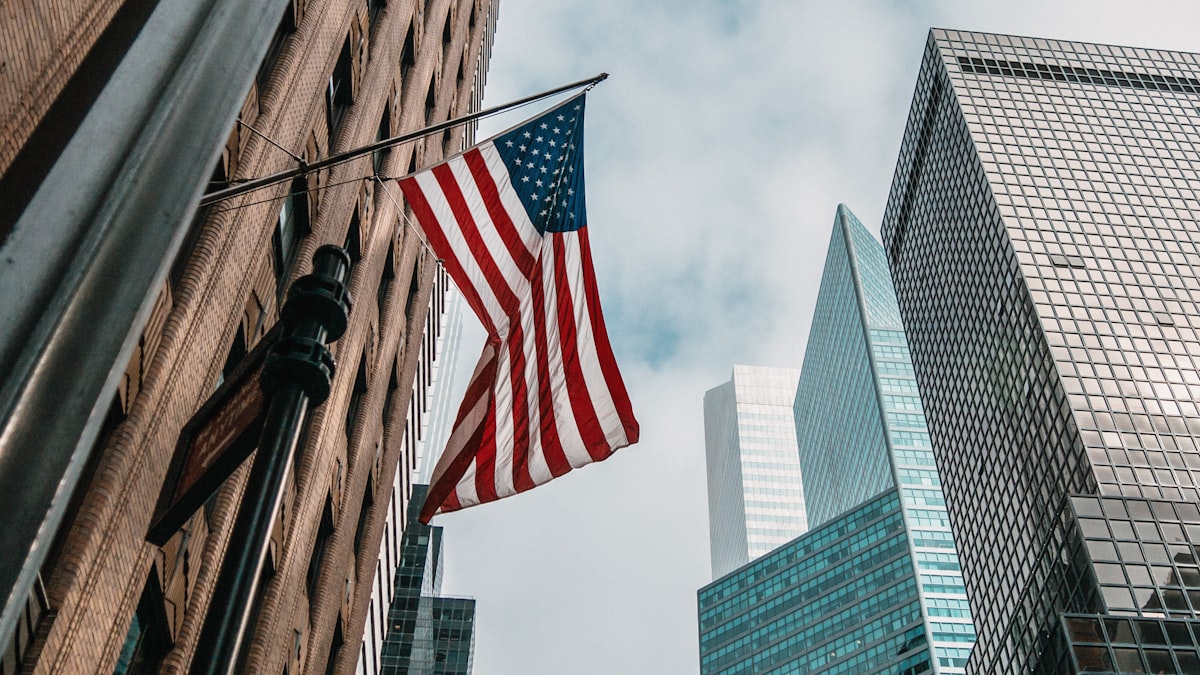
Immigration Detention: Beds, Bonds, and Your Rights
Immigration detention has expanded to historic levels. Here is how the bed system works, who can seek bond, and the rights every detained person still holds.
Remittances and the Immigrant Economy
Immigrants in America send well over 100 billion dollars home each year while powering the U.S. economy. The remittance data, the new tax on transfers, and what senders should know.

U.S. Visas for Vietnam Nationals: How Five Years Changed the Game
Vietnamese students surged into U.S. universities while family green card lines stayed long. Here is how the visa landscape changed for Vietnam nationals from 2021 to 2026.
The Registry Date: The Forgotten Legalization Tool
Registry lets long-resident immigrants earn green cards, but its cutoff date has been frozen at 1972 for decades. Here is how the forgotten tool works and why it stalled.

International Students by the Numbers: A Million and Rising
More than a million international students study in the U.S., contributing tens of billions to the economy. The key numbers, the shifting country mix, and how to join them.

Five Years That Reshaped the J-1 (2021–2026)
The J-1 exchange visa rebounded from pandemic bans, gained a landmark skills-list overhaul in 2024, and met 2025's vetting wave. The 2021-2026 arc explained.
Why Congress Hasn't Passed Immigration Reform in 35 Years
The last comprehensive immigration overhaul was 1990. Every attempt since has collapsed. Here is why reform keeps failing and what that gridlock means for your case.
U.S. Visas for United Kingdom Nationals: How Five Years Changed the Game
ESTA ease, London embassy queues, and growing demand for E-2, L-1, and O-1 routes: how the U.S. visa picture changed for British applicants from 2021 to 2026.

Five Years That Reshaped the O-1 (2021–2026)
Between 2021 and 2026 the O-1 extraordinary ability visa went from niche to mainstream, powered by STEM-friendly guidance and H-1B turmoil. Here is the full arc.
Premium Processing ROI: Is the Fee Worth It?
Premium processing costs roughly 2,805 dollars for most petitions. When does paying for speed actually pay off? A practical look at the numbers behind the decision.
U.S. Visas for Egypt Nationals: How Five Years Changed the Game
Diversity visa hopes, growing student numbers, and a stricter vetting climate: how the U.S. visa process changed for Egyptian applicants between 2021 and 2026.
Parole Power: The Most Elastic Word in Immigration Law
Immigration parole was written for rare emergencies but stretched to admit hundreds of thousands. Here is how the power works, why it snapped back, and the lessons.
Naturalization Trends: Who Became American, 2021–2025
Nearly four million immigrants took the citizenship oath between 2021 and 2025. Who they were, where they came from, and what the trend means for green card holders today.

Five Years That Reshaped the B-1/B-2 (2021–2026)
Visitor visas went from COVID shutdown to record backlogs, then recovery, then 2025's interview mandates and new fees. The B-1/B-2's 2021-2026 arc, explained.
The Filibuster and Your Green Card
A Senate rule requiring 60 votes quietly decides whether green card backlogs ever get fixed. Here is how the filibuster shapes immigration law and your wait.
Green Card Backlogs by the Numbers: 2021–2026
Millions of approved applicants wait years or decades for green cards. A data-driven tour of the backlog from 2021 to 2026, and how smart applicants shorten the wait.
Five Years That Reshaped the TN (2021–2026)
The TN visa for Canadian and Mexican professionals stayed uncapped through 2021-2026, but border reopening, remote work, and tougher vetting changed the game. The full arc.
The PERM Pipeline in Numbers
The PERM labor certification is the first hurdle in most employment-based green cards. Here is what the numbers say about timing, audits, and where the process bottlenecks.
U.S. Visas for Argentina Nationals: How Five Years Changed the Game
Economic turmoil at home, warming ties with Washington, and talk of Visa Waiver membership: how the U.S. visa outlook changed for Argentine applicants from 2021 to 2026.
Family Preference Green Cards by the Numbers
The family preference system reunites relatives of citizens and green card holders, but annual caps and per-country limits mean the wait can stretch for years. Here is how the numbers really work.
Why Visa Interviews Exist — and When You Can Skip One
The visa interview is the system's front-line security check, but waiver rules have swung wildly since 2020. Here is why interviews exist and who can skip them.
STEM Workers and Wages: What the Data Says
Do immigrant STEM workers depress American wages or raise them? A look at what the wage data, patent records, and labor statistics actually show, beyond the talking points.
U.S. Visas for Nigeria Nationals: How Five Years Changed the Game
From the lifted 2020 immigrant visa ban to long interview waits and tougher vetting, here is how U.S. visa access changed for Nigerian applicants between 2021 and 2026.
How a Government Shutdown Hits Your Visa Case
A government shutdown does not freeze every visa case equally. Here is how a funding lapse ripples through USCIS, the State Department, and the Labor Department, agency by agency.
U.S. Visas for Peru Nationals: How Five Years Changed the Game
Political instability at home, rising visa demand, and a recovering consulate in Lima: how the U.S. visa process changed for Peruvian applicants from 2021 to 2026.
Visa Overstay Rates: The Statistic Nobody Talks About
Most of the immigration debate focuses on the border, but a large share of unlawful presence begins with a legal entry and a visa overstay. Here is what the numbers actually show.
The Visa Bulletin Is Political: Who Decides the Numbers
The monthly Visa Bulletin looks like neutral math, but human judgment and agency politics shape every date. Here is who really decides when your number comes up.
The Diversity Visa by the Numbers
Millions enter, 55,000 win: the diversity visa lottery is the most oversubscribed program in immigration. The odds, the countries, the pitfalls, and how winners actually finish.
U.S. Visas for Philippines Nationals: How Five Years Changed the Game
Nurses in demand, family petitions measured in decades, and a consulate digging out of pandemic backlogs: how U.S. visas changed for Filipino applicants from 2021 to 2026.
What 'Merit-Based Immigration' Actually Means
Politicians invoke merit-based immigration constantly, but few define it. Here is what the term really means, how the current system measures up, and what reform would change.
The True Cost of a Green Card in 2026
Government fees, medical exams, translations, legal help: the real price of a green card in 2026 runs from about three thousand dollars to much more. A full cost breakdown.

Five Years That Reshaped the K-1 (2021–2026)
From pandemic paralysis to recovery, fee hikes, and the vetting era, the K-1 fiance visa transformed between 2021 and 2026. Here is the full arc for couples.
Midterms and Visas: What Changes When Congress Flips
Midterm elections rarely rewrite visa law, but they reshape funding, oversight, and the odds of any deal. Here is what a flipped Congress actually changes for applicants.
H-1B Approval Rates: Five Years of Data
H-1B denial rates swung from record highs to record lows and back toward scrutiny. Five years of approval data, what moved the numbers, and how to file a case that wins.

Five Years That Reshaped the E-2 (2021–2026)
The E-2 treaty investor visa evolved quietly from 2021 to 2026: a crackdown on passport-shopping, new treaty countries, and tougher vetting. Here is the full arc.
U.S. Visas for China Nationals: How Five Years Changed the Game
Geopolitics reshaped everything: student scrutiny, tech-field vetting, EB-5 backlogs, and shifting travel patterns. How U.S. visas changed for Chinese applicants, 2021 to 2026.
Points Systems Abroad: Canada, Australia, and the U.S. Debate
Canada and Australia rank immigrants by points for skills, age, and language. Here is how those systems work, where they stumble, and why America keeps debating one.
K-1 vs. Spouse Visa: Timelines Compared With Real Data
Fiancé visa or marry first and file a spouse visa? We compare real K-1 and CR-1 timelines, costs, and green card outcomes so couples can choose with data, not folklore.

Five Years That Reshaped the Marriage Green Card (2021–2026)
Public charge whiplash, backlog recovery, a fee overhaul, and the return of interviews: how the marriage green card changed from 2021 to 2026, and what couples should do.
How USCIS Sets Fees and Why They Keep Rising
USCIS runs almost entirely on your filing fees, not taxes. Here is how the agency sets its prices, why the 2024 fee rule raised them, and how to plan.
USCIS Processing Times: The Five-Year Report Card
From pandemic pileups to a real backlog reduction and back to new slowdowns, here is the five-year report card on USCIS processing times and how to keep your case moving.

Five Years That Reshaped the EB-5 (2021–2026)
EB-5 collapsed, was reborn by the 2022 Reform and Integrity Act, and then faced a gold card rival. The 2021-2026 arc of America's investor green card, explained.
Executive Orders vs. Laws: Why Immigration Policy Whiplashes
Immigration rules can flip with each new administration. The reason is the gap between an executive order and an actual law, and knowing the difference protects your plans.
U.S. Visas for Ecuador Nationals: How Five Years Changed the Game
Security crisis at home, record migration north, and a visa system that rewards the patient: how U.S. visas changed for Ecuadorian applicants from 2021 to 2026.
Chevron Is Dead: How Loper Bright Changes Immigration Rules
The Supreme Court's Loper Bright decision ended Chevron deference in 2024. For immigration, where agencies interpret everything, the fallout reshapes how visa rules survive court.
Border Encounters 2021–2025: The Full Curve
From record-shattering highs to modern lows, the 2021-2025 border encounter data traces one of the sharpest policy reversals in U.S. history. Here is the full curve explained.
Five Years That Reshaped the EB-1 (2021–2026)
From spillover visa windfalls to retrogression and a talent-driven filing boom, the EB-1 green card changed dramatically from 2021 to 2026. Here is the full arc.
What a New President Can Change on Day One and What He Can't
A new administration can reshape immigration fast, but not without limits. Here is a clear-eyed look at what a president can change on day one and what stays fixed.
U.S. Visas for Dominican Republic Nationals: How Five Years Changed the Game
Deep family ties, a busy Santo Domingo embassy, and stricter fraud screening: how the U.S. visa process changed for Dominican applicants between 2021 and 2026.
U.S. Visas for Colombia Nationals: How Five Years Changed the Game
Bogota became one of the busiest U.S. consular posts on Earth. Here is how visa demand, backlogs, and policy swings changed the game for Colombian applicants, 2021 to 2026.
E-Verify: How It Works and Where It's Mandatory
E-Verify checks new hires against federal records in seconds. Learn how the system works, which states mandate it, and what workers should do if flagged.
EB-5 Investment Flows: Where the Money Went
Billions of dollars have flowed through the EB-5 program into U.S. projects. Where the money actually went, which investors sent it, and how the 2022 reforms redirected the flow.

Five Years That Reshaped the Asylum (2021–2026)
From record surges and Title 42 to CBP One, the June 2024 clampdown, and 2025's shutdown of border asylum: the full 2021-2026 arc of American asylum policy.
How Long Does Citizenship Take? N-400 Data by City
N-400 naturalization timelines have improved dramatically since 2021, but your city still matters. Here is what the processing data shows and how to plan your citizenship application.
U.S. Visas for Venezuela Nationals: How Five Years Changed the Game
No U.S. embassy at home, a parole program that came and went, and TPS whiplash: how the visa landscape changed for Venezuelan nationals from 2021 to 2026.
Public Charge: The Rule That Keeps Coming Back
The public charge rule has been expanded, blocked, rescinded, and rewritten within a few years. Here is what it actually tests today and who should care.
Asylum Grant Rates by Court: The Judge Lottery
Identical asylum cases can win before one judge and lose before another. The data on grant-rate disparities across immigration courts, and what the judge lottery says about the system.
U.S. Visas for India Nationals: How Five Years Changed the Game
From pandemic shutdowns to record-breaking visa issuance and stubborn green card backlogs, here is how the U.S. visa landscape shifted for Indian applicants between 2021 and 2026.
Notice and Comment: How You Can Shape a Visa Rule
Before most visa rules become final, the government must ask the public for input. Here is how notice and comment works and how your voice actually counts.
Who Gets the H-1B: Employers, Degrees, and Salaries
Who actually wins the H-1B? The data on top sponsoring employers, dominant degree fields, typical salaries, and nationalities, and what it reveals about your own odds.
Five Years That Reshaped the EB-2 NIW (2021–2026)
The EB-2 National Interest Waiver exploded from insider secret to mainstream green card path between 2021 and 2026, then met a tougher gatekeeper. The full arc.
How the Supreme Court Shapes Your Immigration Case
The Supreme Court rarely mentions your visa type, yet its rulings quietly set the rules your case lives under. Here are the decisions that matter and why.
U.S. Visas for Haiti Nationals: How Five Years Changed the Game
State collapse at home, parole programs that came and went, and TPS whiplash: how the U.S. visa landscape changed for Haitian nationals from 2021 to 2026.

The National Border Emergency: Troops, Wall, and the Military Zone
In 2025 the border was declared a national emergency, troops were deployed, and stretches of the line became military zones. Here is what actually changed on the ground and why.
ICE Becomes America's Biggest-Funded Police Force
After the 2025 budget law, ICE's multi-year funding surpassed every other federal law-enforcement agency, transforming its size, reach, and role. Here is what that means in practice.

Sanctuary Cities vs. Washington: Funding on the Line
In 2025 Washington moved to condition federal money on local cooperation with immigration enforcement, reigniting the sanctuary-city fight. Here is what was at stake and how the courts responded.
The E-2 in 2025: What Actually Happened
In 2025 the E-2 dodged the year's visa shocks and gained appeal, though interview waiver rollbacks, heavier vetting, and Gold Card headlines reshaped the investor conversation.

Remain in Mexico Returns
The Migrant Protection Protocols, better known as Remain in Mexico, came back in 2025 after years of legal ping-pong. Here is how the policy works and what its return signaled.
Harvard vs. DHS: The SEVP Showdown
In May 2025 DHS moved to strip Harvard's ability to enroll international students, and a judge blocked it within hours. Here is the showdown and its lessons for students everywhere.
Legal Immigration in the Enforcement Era: What Still Works
Headlines scream crackdown, but the legal immigration system kept processing millions of cases through 2025. A clear-eyed guide to which pathways still work and how to use them.
The F-1 in 2025: What Actually Happened
SEVIS terminations, a paused interview calendar, social media vetting, the Harvard fight, and a proposal to end duration of status: the F-1's turbulent 2025, recapped.
Border Encounters Hit Modern Lows: The 2025 Numbers
Southwest border encounters collapsed in 2025 to lows not seen in decades. Here is what the numbers show, why they fell, and what it means for legal visa applicants.
The O-1 in 2025: What Actually Happened
In 2025 the O-1 extraordinary ability visa surged as an H-1B alternative after a $100,000 H-1B fee proclamation, even as a second Trump term brought heightened vetting and tougher review.
The Asylum in 2025: What Actually Happened
In 2025 asylum access narrowed dramatically: CBP One appointments ended, a border proclamation suspended entry, and crossings fell to modern lows. Here is a plain-English recap.
The ICE Surge: Mass Deportations Come to the Big Cities
In 2025, immigration enforcement moved from the border to the big cities, with high-profile ICE operations in Chicago, Los Angeles, and beyond. Here is what the surge looked like.

The New Naturalization Civics Test
USCIS revised the naturalization civics test in 2025, expanding the question pool and raising the bar for citizenship applicants. Here is what the new test looks like and how to prepare.

The EB-2 NIW in 2025: What Actually Happened
The EB-2 NIW in 2025 met a new administration, heightened vetting, and persistent backlogs. The merit lane held up, but the bar for evidence rose again. Here is what actually happened.
Birthright Citizenship by Executive Order: The Legal War Begins
A Day One executive order tried to end automatic citizenship for some U.S.-born children, igniting one of the biggest constitutional fights in years. Here is what it did and where the courts went.
Student Visas Under the Microscope: Social-Media Vetting Arrives
In 2025 the State Department paused student-visa interviews, then restarted them with mandatory social-media screening and public-profile requirements. Here is how the new vetting works.
The H-1B in 2025: What Actually Happened
2025 hit the H-1B hard: the modernization rule took effect, lottery registrations fell, fees rose, and a September proclamation attached a $100,000 payment to new petitions.
The K-1 in 2025: What Actually Happened
The K-1 fiance visa in 2025 met a new administration: deeper vetting, a June travel ban touching some countries, and slower interviews. Here is the honest recap.
CHNV Parole Revoked: Half a Million Statuses End
The CHNV parole program that admitted hundreds of thousands from Cuba, Haiti, Nicaragua, and Venezuela was revoked in 2025. Here is how it worked, why it ended, and what parolees should do.

The Gold Card: A $5 Million Fast Lane
In 2025 the administration unveiled the Gold Card, a proposed $5 million route to U.S. residency pitched as a premium replacement for EB-5. Here is what we know and the open questions.
The EB-5 in 2025: What Actually Happened
Gold Card headlines rattled EB-5 in 2025, but the statutory program kept running: strong rural demand, tightening set-asides, and a 2027 sunset moving into planning view.

CBP One Becomes CBP Home: The Self-Deportation App
The same app that once scheduled border appointments was relaunched in 2025 as a tool for voluntary departure. Here is how CBP One became CBP Home and what it means.
Alligator Alcatraz and the New Detention Map
A tent facility in the Florida Everglades became the symbol of America's 2025 detention build-out. Here is how the new detention map took shape and what it means for families.
Denaturalization Returns to the Docket
In 2025 the government signaled a renewed focus on stripping citizenship from people who obtained it through fraud. Here is what denaturalization actually is and who should and should not worry.

The J-1 in 2025: What Actually Happened
Social media vetting, an interview-for-everyone policy, travel restrictions, and a proposed end to flexible stays: the J-1 exchange visa's demanding 2025, recapped.
The June 2025 Travel Ban: 12 Countries, New Rules
In June 2025 a new travel proclamation fully barred entry from a dozen countries and partially restricted several more. Here is who was covered, what the exceptions were, and how to respond.
The $100,000 H-1B Question: September 2025's Proclamation
A September 2025 proclamation attached a $100,000 payment to new H-1B petitions for workers abroad, shocking employers and workers. Here is what it covers and what it does not.
The 2026 Outlook: Visa Policy in a Midterm Year
Midterm years bend immigration policy toward politics. Here is a practical 2026 outlook: what is likely to change, what is likely to hold, and how applicants should plan.
The TN in 2025: What Actually Happened
The TN visa dodged 2025's biggest shocks, including the $100,000 H-1B fee, but tighter port scrutiny, trade tensions, and the looming USMCA review kept applicants alert.
Day One, 2025: The Executive-Order Blitz
On January 20, 2025, a wave of executive orders rewrote U.S. immigration policy in a single afternoon. Here is what the Day One blitz actually did and what it meant for applicants.
The One Big Beautiful Bill: $170 Billion for Enforcement
The July 2025 budget law poured roughly $170 billion into immigration enforcement, from wall construction to detention beds, and raised fees on legal applicants. Here is the breakdown.
IRS Data and ICE: The Privacy Fight of 2025
In 2025 the IRS agreed to share taxpayer address data with ICE for enforcement, triggering lawsuits, resignations, and a hard question about privacy versus immigration law enforcement.
The EB-3 in 2025: What Actually Happened
The EB-3 in 2025 met a new administration, heightened vetting, and stricter PERM enforcement, all on top of long-standing backlogs. Employer-sponsored workers had to be sharper than ever. Here is the story.
Trump v. CASA: The Supreme Court Ends Universal Injunctions
In a landmark 2025 ruling, the Supreme Court sharply limited the power of a single judge to block a policy nationwide. Here is what Trump v. CASA changed and why it matters for immigration.
The SEVIS Termination Wave — and the Courtroom Reversal
In spring 2025, thousands of international students had their SEVIS records abruptly terminated, many over minor police contacts. Courts pushed back hard, and the government reversed. Here is the story.
Interview Waivers Rolled Back: Everyone Sees a Consul Again
The pandemic-era interview waivers that sped up visa renewals were sharply rolled back in 2025, sending far more applicants back to in-person consular interviews. Here is what changed.

The L-1 in 2025: What Actually Happened
In early 2025 the L-1 intracompany transfer visa entered a new era of scrutiny: a second Trump term brought heightened vetting, expected RFE increases, and tighter specialized-knowledge review.
The Marriage Green Card in 2025: What Actually Happened
In 2025 the marriage green card ran into tighter vetting, more interviews, and a new enforcement climate under a second Trump term. Here is the honest picture for spouses filing this year.
Refugee Admissions Suspended — With One Exception
A day-one order suspended the U.S. refugee program indefinitely in 2025, stranding vetted families worldwide, while a carve-out for white South African Afrikaners drew intense debate.
EB-5 in the Gold Card Era: Still Standing
The White House floated a five-million-dollar Gold Card and suggested EB-5 was on the way out. Here is why the EB-5 investor visa is still standing and still worth understanding.
The EB-1 in 2025: What Actually Happened
A new administration, tougher vetting, a wave of applicants fleeing stricter NIW rules, and gold card headlines: the EB-1 had an eventful 2025. Here is the recap.
The Laken Riley Act: The First Law of the New Congress
The first bill signed into law in 2025 required mandatory detention of certain illegal immigrants charged with theft and violent crimes. Here is what the Laken Riley Act actually does.
The LA Unrest and the National Guard: June 2025
ICE raids in Los Angeles sparked June 2025 protests that turned violent in places, and the president federalized the National Guard over the governor's objection. Here is what happened.
USCIS Expands 'Good Moral Character': Naturalization Gets Harder
In 2025 USCIS broadened how it evaluates good moral character for citizenship, giving officers more discretion to weigh an applicant's full record. Here is what changed and how to prepare.
The B-1/B-2 in 2025: What Actually Happened
A sweeping travel ban, the end of easy interview waivers, a new $250 visa integrity fee, and deeper vetting: the visitor visa's rule-tightening 2025, explained.
TPS Terminations: Venezuela, Haiti, and the Supreme Court
In 2025 the government moved to end Temporary Protected Status for large groups from Venezuela and Haiti, and the Supreme Court let terminations proceed. Here is what happened and what TPS holders should do.

H-1B Weighted Selection: Pay More, Win More?
A 2025 proposal would replace the random H-1B lottery with wage-weighted selection, giving higher-paid workers better odds. Here is how it would work and who wins and loses.
The New H-1B Registration Fee — and Why Registrations Fell
USCIS raised the H-1B registration fee sharply for the FY2026 season. Combined with the anti-fraud lottery fix, it pushed registrations down toward honest numbers.
The 2024 Visa Bulletin: EB-1 India Moves, EB-2 Stalls
The 2024 visa bulletin brought rare forward movement for EB-1 India while EB-2 dates crawled for everyone. What moved, what stalled, and how to play your priority date.
Agenda 47: The Trump Immigration Platform, Item by Item
Agenda 47 was the campaign blueprint that told voters exactly what a second Trump term would do on immigration. Here is the list, item by item, and what it means for legal applicants.
The E-2 in 2024: What Actually Happened
The E-2 visa's 2024 was steady and strong: normalized consular processing, firm enforcement of the domicile rule, robust franchise-driven demand, and no destabilizing rule changes.
The Laken Riley Case Changes the Debate
The 2024 killing of Georgia nursing student Laken Riley by a man in the country illegally reshaped the immigration debate and drove new detention legislation.
CBP One at Scale: 1,450 Appointments a Day
By 2024 the CBP One app scheduled roughly 1,450 border appointments daily, processing close to a million people. How the app worked, what it fixed, and how it ended.
The F-1 in 2024: What Actually Happened
Record enrollment on campus, but a sharp drop in new visas issued in India, high refusal rates, and election-year uncertainty: the F-1's contradictory 2024, explained.
The O-1 Boom: Founders Flee the Lottery
Tired of losing the H-1B lottery, startup founders and top engineers turned to the O-1 extraordinary-ability visa in record numbers. Here is what drove the boom and who qualifies.
The O-1 in 2024: What Actually Happened
In 2024 the O-1 extraordinary ability visa got clearer rules: updated USCIS guidance sharpened the criteria for STEM experts and entrepreneurs, while a new fee schedule raised filing costs.
The Asylum in 2024: What Actually Happened
In 2024 asylum tightened sharply: a June proclamation limited claims between ports of entry, CBP One appointments continued, and border numbers fell fast. Here is a plain-English recap.
The H-1B Modernization Rule: December 2024's Big Rewrite
In December 2024 USCIS finalized a sweeping H-1B modernization rule updating specialty occupation definitions, cap-exempt rules, and deference. Here is what changed.
The December 2024 H-4 EAD Court Wins
After years of litigation, the courts again upheld work permits for H-4 spouses of H-1B workers. Here is what the rulings settled, what stayed uncertain, and what H-4 families should do next.
The EB-2 NIW in 2024: What Actually Happened
The EB-2 NIW in 2024 settled into a hard rhythm: deep India and China backlogs, tougher adjudication, and a category still worth filing for its portability. Here is what actually happened.
Biden's June 2024 Border Order: Asylum Caps at 2,500
In June 2024 President Biden issued an executive order largely shutting off asylum between ports when crossings topped a daily average, a sharp policy reversal.

The H-2B Cap Doubles Again: Seasonal Workers in Demand
For fiscal 2024, DHS again added roughly 64,000 supplemental H-2B visas on top of the 66,000 cap, nearly doubling seasonal worker slots. Why demand keeps outrunning the law.
The H-1B in 2024: What Actually Happened
2024 brought the one-person-one-entry lottery, a collapse in duplicate registrations, steep new filing fees, a domestic renewal pilot, and a year-end modernization rule.

The K-1 in 2024: What Actually Happened
In 2024 the K-1 fiance visa got more expensive, embassy processing stayed solid, and election-year politics loomed. Here is the year-in-review for engaged couples.
Trump Wins: What November 5, 2024, Meant for Visas
Donald Trump's November 2024 victory signaled major immigration changes ahead: tighter enforcement, more scrutiny, and shifts across visa categories. Here is what to expect.
The Pre-Election Naturalization Surge
Ahead of the 2024 election, many green card holders rushed to naturalize. Here is why citizenship applications tend to climb in election years and what the process really involves.
The EB-5 in 2024: What Actually Happened
In 2024 EB-5 costs jumped with April's fee rule, set-aside demand raised retrogression warnings for China and India, and integrity enforcement became routine.
USCIS's April 2024 Fee Rule: The New Price of Immigration
In April 2024 USCIS raised many filing fees for the first time in years, added an Asylum Program Fee, and offered small online discounts. Here is who paid more.
DACA at Twelve: Enrollment Frozen, Future Unclear
Twelve years after DACA began, new enrollment stayed frozen by court order while roughly half a million recipients renewed in limbo. Where the program stood in 2024 and why.

Unaccompanied Minors: The Missing-Children Reports
Government watchdogs reported that tens of thousands of unaccompanied migrant children could not be located after being released. Here is what the missing-children reports actually found and why it matters.
The J-1 in 2024: What Actually Happened
A December bombshell rewrote the skills list, freeing thousands from the two-year home residency rule. The J-1's landmark 2024, and what it changed, explained.
Springfield, Ohio: How One Town Became the Campaign Flashpoint
In 2024 Springfield, Ohio, became a national flashpoint over a large Haitian population arriving under parole and TPS. Here is what happened and what it revealed.
The Migrant Bus Wars: 100,000 Rides Later
Texas bused over 100,000 migrants to Democratic-led cities between 2022 and 2024, transforming the immigration debate. How the busing campaign worked and what it changed.
The TN in 2024: What Actually Happened
2024 gave the TN visa its clearest rulebook in years: new USCIS policy guidance on eligibility, plus higher petition fees, while port-of-entry processing stayed fast for Canadians.
Beneficiary-Centric Selection: The H-1B Lottery Gets Fixed
For the FY2025 H-1B cap, USCIS switched to beneficiary-centric selection, giving each worker one lottery entry regardless of how many employers filed. Here is what changed.
F-1 to H-1B: Cap-Gap Gets Longer
The 2024 H-1B modernization rule extended cap-gap protection for F-1 students moving to H-1B, reducing the risk of a status and work gap. Here is how it works.
Project 2025's Immigration Blueprint: What It Promised
The Heritage Foundation's Project 2025 laid out a sweeping immigration overhaul long before the 2024 election was decided. Here is what the blueprint actually proposed for legal applicants.
The EB-3 in 2024: What Actually Happened
The EB-3 in 2024 lived with long labor-certification delays and entrenched backlogs for India and China. The Other Workers lane stayed jammed. Here is what actually happened.
Keeping Families Together: Parole in Place, Announced Then Blocked
The 2024 Keeping Families Together program offered parole in place to certain undocumented spouses of U.S. citizens, then a court blocked it. Here is what happened.
Asylum Work Permits and the 180-Day Clock
Asylum seekers must wait 150 days to apply for a work permit and cannot receive one before day 180. How the clock works, what stops it, and why the rule exists.
Sanctuary vs. Enforcement: Where Cities Stood Entering 2025
As 2025 approached, the map of sanctuary and enforcement cities was shifting, with even Democratic mayors rethinking their stance after a costly migrant crisis. Here is where cities actually stood.
The L-1 in 2024: What Actually Happened
In 2024 the L-1 intracompany transfer visa got more expensive: a new USCIS fee schedule took effect April 1, adding an Asylum Program Fee to employer petitions, even as processing stayed steady.
The Marriage Green Card in 2024: What Actually Happened
In 2024 the marriage green card saw its biggest fee overhaul in years, longer work-permit validity, and steadier processing. Here is what changed for spouses filing this year.
Border Numbers Collapse in Late 2024
After record highs, border crossings fell sharply in late 2024 following tougher asylum rules and Mexican enforcement. Here is what drove the collapse and what it means.

EB-5 Integrity Rules Get Tested: The 2024 Fraud Cases
The EB-5 Reform and Integrity Act promised to clean up the investor-visa program. In 2024, fraud enforcement actions showed the new rules had real teeth for the first time.
The EB-1 in 2024: What Actually Happened
Higher fees, a controversial new employer surcharge, stubborn backlogs for India, and election-year urgency defined the EB-1 in 2024. Here is what actually happened.
The Senate Border Bill Dies: Politics Beats Policy
In early 2024 a bipartisan Senate border bill collapsed within days of release. Here is what it would have done and why politics ultimately beat policy.
Schedule A Modernization: The Shortage-Occupation Debate
The Labor Department asked in late 2023 whether Schedule A, the shortage-occupation list frozen for decades, should expand to STEM and other fields. Inside the debate and its stakes.
Mass-Deportation Polling: What Americans Actually Supported in 2024
Polls in 2024 showed surprising support for deporting people in the country illegally, but the numbers shifted sharply once specifics entered the picture. Here is what Americans actually told pollsters.
The B-1/B-2 in 2024: What Actually Happened
Near-record issuance, tightened interview waiver rules, stubborn hot spots, and a growing Visa Waiver Program: the visitor visa's steady but imperfect 2024, recapped.
Immigration: The #1 Issue of the 2024 Election
By 2024 immigration had climbed to the top of voters' concerns, driven by record border crossings and strained cities. Here is how it dominated the election.
USCIS Processing Times Improve — for Some Forms
In fiscal 2024 USCIS cut its backlog for the first time in years, with naturalization and some work permits moving much faster while other forms stayed slow. The full picture.
The 'Circumvention of Lawful Pathways' Rule: Asylum Gets Conditions
The 2023 Circumvention of Lawful Pathways rule attached conditions to asylum, presuming many who cross illegally are ineligible unless they used a legal channel first. Courts then fought over it.
The Mayorkas Impeachment Push Begins
In 2023 House Republicans moved to impeach DHS Secretary Alejandro Mayorkas over border policy, a constitutional escalation that ended in a Senate dismissal. Here is the story.
Marriage Green Cards in 2023: Waivers and Faster Interviews
In 2023 many marriage green card cases moved faster as USCIS waived some interviews and consulates caught up. Here is what changed for married couples applying.
The E-2 in 2023: What Actually Happened
2023 was implementation year for the E-2: Portugal's eligibility went live, the three-year domicile rule reshaped passport-based applications, and visa fees rose to $315.
Florida's SB 1718: E-Verify With Teeth
Florida's 2023 immigration law made E-Verify mandatory for larger private employers and backed it with real penalties. Here is what SB 1718 did and who felt it.
Visa Bulletin 2023: Retrogression Everywhere
In 2023 the Visa Bulletin turned brutal: employment dates retrogressed for nearly everyone, even EB-1 India, as pandemic-era windfalls ended. Here is what happened and why.

The F-1 in 2023: What Actually Happened
COVID-era flexibilities ended, enrollment surged past one million, STEM OPT grew again, and visa refusal rates stayed stubbornly high. The F-1's 2023, explained.
Chicago and Denver Strain Under Migrant Arrivals
In 2023 Chicago and Denver absorbed tens of thousands of migrants bused north, straining shelters and budgets. Here is what happened and what it means for legal applicants.
The O-1 in 2023: What Actually Happened
In 2023 the O-1 extraordinary ability visa became the go-to H-1B alternative as the lottery drowned in fraud, while a proposed USCIS fee hike and steady processing shaped the year.
The Asylum in 2023: What Actually Happened
In 2023 asylum turned a corner: Title 42 finally ended, a new lawful pathways rule took its place, and the CBP One app became the front door. Here is a plain-English recap.
USCIS Proposes a Fee Overhaul: Who Pays More
USCIS's proposed fee overhaul raised employer petition costs sharply, added an asylum program fee, and reshaped who funds the immigration system. Here is the breakdown.
The EB-2 NIW in 2023: What Actually Happened
The EB-2 NIW in 2023 met reality. Severe India and China backlogs hit the visa bulletin, premium processing arrived for the I-140, and scrutiny rose. Here is what actually happened.
FY2024 H-1B: 780,000 Registrations and a Broken Lottery
The FY2024 H-1B lottery drew roughly 780,000 registrations for 85,000 slots, with duplicate entries exposing a gamed system. Here is what the numbers revealed.
New York's Migrant Crisis: Sanctuary Meets Reality
By 2023 New York City was sheltering tens of thousands of migrants at billions in cost, and its mayor said the crisis could destroy the city. Sanctuary rhetoric met arithmetic.
The H-1B in 2023: What Actually Happened
2023 exposed the H-1B lottery's gaming problem: roughly 780,000 registrations, widespread duplicate filings, a fraud crackdown, and a proposed one-person-one-entry fix.
The K-1 in 2023: What Actually Happened
The K-1 fiance visa in 2023: shrinking embassy waits, steadier USCIS processing, and a proposed fee hike on the horizon. A year-in-review for engaged couples.
FY2023 Border Numbers: 2.5 Million and Counting
Fiscal year 2023 set a new record: roughly 2.5 million southwest border encounters. Here is what the numbers actually contained and why they mattered for legal immigration.
Online Filing Grows Up: USCIS Modernization in 2023
In 2023 USCIS pushed hard on modernization: more forms filed online, organizational accounts in the works, and digital tools that finally reduced paper. Here is what changed for applicants.
The EB-5 in 2023: What Actually Happened
2023 was the reformed EB-5's proving year: rural set-asides drew capital, concurrent filing boomed, and USCIS's two-year sustainment guidance surprised the industry.
CBP One: The App That Became the Border's Front Door
In 2023 a government smartphone app became the official way to seek entry at the southern border. CBP One's rise says a lot about improvised policy and real-world tech limits.
The Senate Border-Deal Talks: Lankford, Sinema, Murphy
Three senators spent late 2023 negotiating the toughest border bill in decades. It died within days of release, killed largely by the party that demanded it.
Afghan and Ukrainian Re-Parole: The Two-Year Extensions
In 2023 the U.S. offered re-parole to Afghans and Ukrainians whose initial two-year status was expiring, buying time but exposing the limits of parole as policy.
The J-1 in 2023: What Actually Happened
Exchange numbers roared back past 300,000, physician waivers stayed oversubscribed, and an outdated skills list overshadowed planning. The J-1's 2023, recapped.
Texas Takes the Border Into Its Own Hands: Buoys, Wire, and SB 4
In 2023 Texas deployed river buoys, miles of razor wire, and passed SB 4, claiming state power to enforce immigration law. The courts, and the Constitution, pushed back.
STEM OPT and the 2023 Talent Debate
In 2023, STEM OPT sat at the center of America's talent argument: a three-year work window for technical graduates, prized by employers and attacked by critics. Here is the real picture.
The TN in 2023: What Actually Happened
In May 2023 the last COVID-era travel rule fell, returning the TN visa to full pre-pandemic form as demand from healthcare, engineering, and tech employers climbed.
Title 42 Ends: May 11, 2023, and the Bet on CBP One
On May 11, 2023, the pandemic-era Title 42 expulsions ended and regular asylum law returned. The government's big bet to keep order was an appointment app called CBP One.
December 2023: The Worst Month Ever at the Border
December 2023 set the all-time monthly record: roughly 250,000 southwest border encounters. The month broke political dams in Washington and reshaped the 2024 debate.

The K-1 Interview Backlog Finally Clears
After years of pandemic delays, the K-1 fiance visa backlog eased in 2023 as consulates ramped back up. Here is what changed and how couples benefited.
The EB-3 in 2023: What Actually Happened
The EB-3 in 2023 hit a double squeeze: visa numbers normalized while PERM and prevailing-wage processing at the Labor Department ballooned. Backlogs returned in force. Here is what actually happened.
India's Green Card Line in 2023: The 134-Year Headline
A 2023 analysis estimated new Indian EB-2 applicants could face a wait longer than a lifetime. Here is what is behind the 134-year headline and what applicants can do.
EB-5 After RIA: Rural Set-Asides Become the Fast Lane
The 2022 EB-5 reform carved out visa set-asides for rural projects, and by 2023 they had become the fast lane for Indian and Chinese investors dodging decade-long backlogs.
The L-1 in 2023: What Actually Happened
In 2023 the L-1 intracompany transfer visa gained appeal as an H-1B alternative amid lottery chaos, while USCIS proposed steep fee hikes and consular wait times kept falling.
The Marriage Green Card in 2023: What Actually Happened
Marriage green cards in 2023: a settled public charge rule, longer I-751 extensions, proposed fee hikes, and improving timelines. The year so far for couples.
The Domestic H-1B Renewal Pilot: Stateside Stamping Returns
After nearly two decades, the State Department announced a pilot letting some H-1B workers renew visa stamps inside the U.S., skipping the consulate trip abroad entirely.
Humanitarian Parole Under Fire: The State Lawsuits
In early 2023, Texas and roughly twenty other states sued to stop the CHNV humanitarian parole program, arguing it exceeded executive authority. Here is the legal fight and what it meant.
The EB-1 in 2023: What Actually Happened
The party ended in 2023. EB-1 backlogs returned for India and China, visa numbers fell back toward normal, and demand from top talent surged. Here is the full story.
H-1B Lottery Fraud Exposed: The Multiple-Registration Crackdown
In 2023 USCIS revealed that colluding employers had flooded the H-1B lottery with duplicate registrations for the same workers, gaming the odds. The crackdown reshaped the system.
Work Permits and the Parole Economy: CHNV Arrivals at Work
Hundreds of thousands of Cubans, Haitians, Nicaraguans, and Venezuelans entered on parole and joined the workforce on temporary permits. Here is how the parole economy worked and why it was fragile.
The Darién Gap: Half a Million Crossings
In 2023 roughly half a million people crossed the deadly Darien Gap jungle toward the U.S. border. Here is what that surge revealed about migration and policy.

The B-1/B-2 in 2023: What Actually Happened
Wait times tumbled, the vaccine rule ended, fees rose to $185, and issuance hit near-record levels: 2023 was the visitor visa's genuine recovery year.
Eagle Pass: Ground Zero of the 2023 Border Fight
A Texas border town of under 30,000 became the epicenter of the 2023 migration surge and the state-federal showdown. Eagle Pass showed what unmanaged flows do to a community.
The Rise of the EB-2 NIW: Filings Surge After the 2022 Guidance
After USCIS issued clearer National Interest Waiver guidance in January 2022, EB-2 NIW filings surged. Here is what changed, who benefited, and how self-petitioners can build a strong case.
Uniting for Ukraine: A New Kind of Parole
In 2022, Uniting for Ukraine let Ukrainians fleeing war come to the U.S. through a sponsor-based parole model. Here is how it worked and why parole is not the same as a green card.
The FY2023 H-1B Lottery: 483,000 Registrations, Falling Odds
The FY2023 H-1B lottery drew roughly 483,000 registrations for 85,000 slots, pushing selection odds near one in four. Here is what the numbers meant and how workers adapted.
The E-2 in 2022: What Actually Happened
2022 ended with the E-2's biggest legal change in years: Congress added Portugal to the treaty list and imposed a three-year domicile rule on citizenship-by-investment passport holders.
O-1 for STEM Founders: USCIS Opens the Door
In 2022, USCIS updated its O-1 guidance with examples aimed at STEM experts and startup founders. Here is how the extraordinary-ability visa became a real alternative to the H-1B lottery.
Concurrent Filing Arrives for EB-5 Investors
The EB-5 Reform and Integrity Act of 2022 unlocked concurrent filing, letting many investors already in the United States file for a green card at the same time as their petition.
The F-1 in 2022: What Actually Happened
Record student visa issuance in India, 22 new STEM OPT fields, and a full-throttle recovery: 2022 was the year the F-1 came roaring back. Here is the recap.
Green Card Spillover, Part II: FY2022's 281,000 Employment Cap
Because family green cards went unused during the pandemic, the employment-based cap swelled to roughly 281,000 in fiscal 2022, a rare spillover windfall that agencies raced to use before it expired.
The O-1 in 2022: What Actually Happened
In 2022 the O-1 extraordinary ability visa got a real boost: new USCIS STEM guidance clarified the O-1A criteria, spelled out examples for scientists and entrepreneurs, and founder demand climbed.
The Asylum in 2022: What Actually Happened
In 2022 asylum stayed under enormous pressure: Title 42 survived a court fight, a new asylum officer rule launched, and the backlog kept growing. Here is a plain-English recap.
The 2022 Midterms: Immigration on the Ballot
Immigration and border security ranked among voters' top issues in the 2022 midterms. Here is how the issue played, what the results changed, and what divided government meant for applicants.
The EB-2 NIW in 2022: What Actually Happened
The EB-2 NIW in 2022 exploded in popularity after new USCIS guidance spotlighted STEM fields and entrepreneurs. Filings surged, and so did scrutiny. Here is what actually happened.
Premium Processing Expands to EB-1C and NIW
In 2022, USCIS finally extended premium processing to backlogged green card categories including EB-1C and the NIW. Here is what the expansion did and why it mattered for skilled applicants.
DACA's Tenth Birthday in Legal Limbo
DACA turned ten in 2022 with no new applicants allowed, a court ruling against it, and Congress still refusing to act. Here is what a decade of limbo teaches.
The H-1B in 2022: What Actually Happened
In 2022 the H-1B snapped back: record lottery registrations, recovering consulates, work-authorization wins for spouses, and expanding premium processing, with lottery odds getting noticeably worse.

The K-1 in 2022: What Actually Happened
In 2022 the K-1 fiance visa moved from crisis to recovery. Embassy interviews resumed at scale, but USCIS petition times stayed long. Here is the honest picture.
Border 2022: 2.4 Million Encounters and a Political Reckoning
Fiscal 2022 shattered the previous year's record with roughly 2.4 million southwest border encounters, reshaping American politics and squeezing the legal immigration system. Here is the recap.
India Overtakes China: The New F-1 Superpower
After years as the second-largest source of international students, India began closing the gap with China around 2022 and later took the lead, reshaping who fills U.S. graduate classrooms.
The EB-5 in 2022: What Actually Happened
The EB-5 Reform and Integrity Act of March 2022 rebuilt the program: $800,000 TEA minimums, reserved rural and high-unemployment visas, concurrent filing, and real oversight.
The CHNV Parole Programs Begin: 30,000 a Month by App
The CHNV parole programs let up to 30,000 people a month from four countries fly in with a U.S. sponsor. Here is how the app-based model worked and why it drew sharp debate.
The Visa Bulletin Whiplash of 2022: India EB-2 Retrogresses
After two years of fast forward movement, the visa bulletin slammed into reverse in late 2022 as India EB-2 retrogressed by years. Here is why the whiplash happened.
The J-1 in 2022: What Actually Happened
STEM-friendly initiatives, a roaring summer work travel rebound, and war-driven disruptions: the J-1 exchange visa had a consequential 2022. Here is the full recap.
The New Public Charge Final Rule: Clarity at Last
In September 2022, DHS published a final public charge rule codifying the traditional standard, effective that December. After years of whiplash, green card applicants finally got clarity.
The Asylum Officer Rule: Faster Decisions, Fewer Judges
A 2022 rule let asylum officers, not just immigration judges, decide certain border asylum claims. The goal was speed, but the rollout raised real questions about fairness and follow-through.
The TN in 2022: What Actually Happened
With borders reopened, the TN visa roared back in 2022: same-day port adjudications for Canadians, recovering consulates for Mexicans, and vaccine rules as the last hurdle.
The EB-5 Reform and Integrity Act: Investor Visas Get New Rules
In 2022, the EB-5 Reform and Integrity Act revived the lapsed Regional Center program, raised investment thresholds, and added real oversight. Here is what changed for investor visa applicants.
USCIS Cycle-Time Goals: The Long Climb Out of the Backlog
In March 2022, USCIS publicly committed to new cycle-time goals, aiming to cut processing for many forms to months instead of years. Here is the backlog story and what came of it.
The State of the Border Wall in 2022
In 2022 the border wall sat in an awkward limbo: construction largely paused, funds partly redirected, and gaps left open even as encounters hit record highs. Here is where things stood.
The EB-3 in 2022: What Actually Happened
The EB-3 in 2022 rode a second year of high visa supply, then began to tighten. The downgrade window narrowed, dates retrogressed, and Other Workers demand stayed hot. Here is the story.
The January 2022 NIW Guidance: STEM Talent Gets a Lane
In January 2022, USCIS issued guidance clarifying how the National Interest Waiver applies to STEM fields and entrepreneurs. Here is how it opened a merit-based lane for skilled talent.
Consular Interview Waivers Extended: Dropbox Grows Up
In 2022 the State Department extended interview waivers for many visa renewals, letting qualified applicants skip the consular interview. Here is how dropbox worked and who benefited.
The L-1 in 2022: What Actually Happened
In 2022 the L-1 intracompany transfer visa rebounded hard: entry bans gone, consulates reopening, interview waivers extended, and RFE rates easing, even as blanket L backlogs lingered.
The Marriage Green Card in 2022: What Actually Happened
Marriage green cards in 2022: two-year work permits for adjustment applicants, recovering embassies, and stubborn backlogs. Here is where things stand for couples.
Martha's Vineyard and the Migrant-Flight Wars
In September 2022, two planes carrying about 50 Venezuelan migrants landed on Martha's Vineyard, igniting a national fight over busing, sanctuary politics, and who bears the cost of border policy.
Layoffs Meet the 60-Day Clock: H-1B Workers in the Tech Downturn
When tech layoffs hit, thousands of H-1B workers ran into the 60-day grace period, a short window to find a new sponsor, change status, or leave the country. Here is how it works.

The EB-1 in 2022: What Actually Happened
2022 brought EB-1 applicants a record supply of green card numbers, expanded premium processing for executives, and a government determined not to repeat the waste of 2021.
Title 42's Year of Court Battles
In 2022, Title 42 became a legal tug-of-war. The administration tried to end it, courts ordered it kept, and the border policy stayed in place. Here is how the year of litigation unfolded.
The Afghan Adjustment Act: The Bill That Didn't Pass
The Afghan Adjustment Act promised green cards for evacuees brought here after Kabul fell. Congress never passed it, leaving tens of thousands of Afghans stuck in parole limbo.
The B-1/B-2 in 2022: What Actually Happened
Two-year interview waits in India, expanded dropbox processing, and a system straining to reopen: the B-1/B-2 visitor visa's grinding 2022, explained in full.
540-Day EAD Extensions: Patching the Work-Permit Gap
In May 2022, USCIS stretched automatic work-permit extensions from 180 days to up to 540, rescuing workers whose renewals were stuck in the backlog. Here is what happened.
October 2022: Venezuela Parole and the 'Lawful Pathways' Pivot
In October 2022 the government launched a Venezuela parole program paired with faster removals, an early version of the carrot-and-stick 'lawful pathways' approach that later expanded to other countries.
The End of the 2017 Travel Ban: Who Got Back In
The travel ban that reshaped visa policy for four years ended in January 2021. Here is who regained eligibility, how reconsideration worked, and what applicants learned.
Vaccinated Travelers Only: The November 2021 Reopening
On November 8, 2021, the U.S. scrapped its country-by-country COVID travel bans and reopened to vaccinated international travelers. Here is what changed and why it mattered for visa holders.
The E-2 in 2021: What Actually Happened
The E-2 treaty investor visa spent 2021 fighting logistics, not law: consular backlogs and travel bans slowed investors even as the category itself stayed stable and open.
DACA Ruled Unlawful (Again): The 2021 Hanen Decision
A federal judge in Texas ruled DACA unlawful in July 2021, blocking new approvals while sparing current recipients. Here is what the decision means and what comes next.
ICE Enforcement Priorities Narrow: The Mayorkas Memos
In 2021 DHS issued guidance narrowing interior immigration enforcement to the most serious cases. Here is what the Mayorkas memos did, why states sued, and what it meant on the ground.
The F-1 in 2021: What Actually Happened
Reopened consulates, travel-ban exceptions for students, OPT backlogs, and a scrapped fixed-term proposal: the F-1 student visa clawed its way back in 2021.
Student Visas Rebound: F-1 After the Pandemic Crash
After student visa issuance collapsed in 2020, the F-1 came roaring back in 2021 as consulates prioritized students. Here is what drove the rebound and what it meant for applicants.
The O-1 in 2021: What Actually Happened
In 2021 the O-1 extraordinary ability visa quietly became a lifeline: unlike H-1B and L-1, it escaped the pandemic entry bans, and founders and top talent leaned on it hard.
The Asylum in 2021: What Actually Happened
In 2021 asylum in America ran into a record border surge, a pandemic expulsion policy, and a backlog measured in years. Here is an honest, plain-English recap of what happened.
The Public Charge Rule Dropped: What Changed for Green Card Applicants
In 2021 the government stopped defending the 2019 public charge rule, courts wiped it off the books, and green card applicants returned to the simpler 1999 standard. Here is the story.
The EB-2 NIW in 2021: What Actually Happened
The EB-2 NIW in 2021 was a quiet standout. Pandemic spillover flooded the employment-based system with visa numbers, dates moved, and self-petitioners found an open lane. Here is the story.
The Del Rio Surge: 15,000 Under a Bridge and What It Signaled
Thousands of migrants, most of them Haitian, massed under a Texas bridge in a scene that stunned the country. Here is what happened at Del Rio and what it revealed.
Green Card Spillover 2021: The Employment-Based Windfall
In 2021, unused family green card numbers spilled into the employment categories, nearly doubling the annual limit to roughly 262,000. Here is why the windfall happened and who it helped.
The H-1B in 2021: What Actually Happened
2021 was a whiplash year for the H-1B: a pandemic-era entry ban expired, Trump-era wage rules stalled in court, and the lottery ran multiple selection rounds.
The K-1 in 2021: What Actually Happened
The K-1 fiance visa spent 2021 digging out of a pandemic hole. Here is what changed at embassies, where the backlog stands, and what engaged couples should do now.
Interview Waivers Expand: The Quiet Fix That Sped Up Visas
In 2021 the State Department quietly expanded interview waivers for many visa categories. It was one of the most effective tools for clearing pandemic backlogs. Here is how it worked and who benefited.
The 2021 Push to Legalize Through Reconciliation — and Why It Failed
In 2021, Democrats tried to legalize millions through the budget reconciliation process. The Senate Parliamentarian blocked it, again and again. Here is what they attempted and why it fell apart.
The EB-5 in 2021: What Actually Happened
2021 nearly broke the EB-5: a court vacated the $900,000 minimum in June, then the regional center program's authorization lapsed on June 30, freezing most new investment.
Remain in Mexico Ends, Courts Push Back: The 2021 MPP Whiplash
The Migrant Protection Protocols were suspended on day one, formally ended in June, and immediately challenged in court. Here is the 2021 MPP story and why it matters.
The EAGLE Act and the Per-Country Cap Debate
The EAGLE Act proposed phasing out the per-country caps that leave Indian professionals waiting decades for green cards. Here is the debate, the trade-offs, and why it stalled in Congress.
The J-1 in 2021: What Actually Happened
A Trump-era ban expired, exchange programs restarted, and summer employers rediscovered how much they rely on J-1 workers. The exchange visa's 2021 comeback, recapped.
USCIS's 2021 Backlog Crisis: How 8 Million Cases Piled Up
Roughly 8 million cases sat pending at USCIS in 2021. Here is how a fee-funded agency hit the wall, who pays the price, and how applicants can protect themselves.
Consulates Closed, Dreams on Hold: The 2021 Appointment Crisis
In 2021, pandemic-era closures left U.S. consulates with enormous appointment backlogs, and wait times stretched from months to over a year. Here is what happened and how applicants coped.
The TN in 2021: What Actually Happened
The TN visa's 2021 was defined by closed land borders: Canadian and Mexican professionals navigated essential-travel rules until November, when crossings finally reopened to the vaccinated.
Biden's Day-One Immigration Orders: What They Undid — and What It Cost
On January 20, 2021, a stack of executive orders rewrote U.S. immigration policy in hours. Here is what they reversed, who benefited, and what the whiplash costs applicants.
The Diversity Visa in Court: The DV-2021 Mess
Thousands of DV-2021 lottery winners nearly lost their visas to travel bans and closed consulates. Federal courts stepped in, ordering visas reserved past the deadline. Here is what happened.
NIW After Dhanasar: How 2021 Set Up the National-Interest Boom
The 2016 Dhanasar decision reshaped the EB-2 National Interest Waiver, and by 2021 filings were climbing fast. Here is how that year set the stage for the national-interest green card boom.
The EB-3 in 2021: What Actually Happened
The EB-3 in 2021 was the year of the downgrade. Pandemic visa spillover made EB-3 dates leapfrog EB-2 for India, and thousands switched categories. Here is what actually happened.
Operation Allies Welcome: The Afghan Evacuation by the Numbers
After Kabul fell, the U.S. airlifted over 120,000 people and resettled tens of thousands of Afghans. Here are the numbers, the process, and the hard lessons.
Why Tens of Thousands of Employment Green Cards Went Unused in 2021
In 2021 the U.S. had a historic number of employment green cards to give out, then failed to use tens of thousands before year-end. Here is how that waste happened and who paid the price.
The L-1 in 2021: What Actually Happened
In 2021 the L-1 intracompany transfer visa was climbing out of a pandemic freeze: an entry ban set to expire March 31, closed consulates, blanket L delays, and stubborn RFE rates.
The Marriage Green Card in 2021: What Actually Happened
Early 2021 brought big shifts for marriage green cards: the immigrant visa ban ended, the public charge rule fell, and pandemic backlogs kept growing. A recap.
TPS for Venezuelans: 2021's Big Humanitarian Call
In March 2021, DHS designated Venezuela for Temporary Protected Status, opening work permits and deportation protection to roughly 320,000 Venezuelans already in the U.S. Here is what it meant.
Biometrics Backlogs and the I-539 Slowdown
In 2021, closed fingerprint offices and a biometrics requirement turned the I-539 into one of the slowest forms at USCIS. Here is how the slowdown happened and how the agency eased it.
The EB-1 in 2021: What Actually Happened
2021 handed EB-1 applicants a once-in-a-generation surplus of green card numbers, then watched the government waste tens of thousands of them. Here is what really happened and why it matters.
Title 42 Stays: The Pandemic Rule That Held the Line
The new administration reversed many border policies but kept Title 42, the public health order allowing rapid expulsions. Here is what it does and why it survived.
Border 2021: 1.7 Million Encounters, a Record Year
Fiscal year 2021 brought roughly 1.7 million southwest border encounters, a modern record. What drove the surge, and why the chaos ultimately hurt legal immigrants most.
The B-1/B-2 in 2021: What Actually Happened
Travel bans, shuttered consulates, historic backlogs, and a November reopening that changed everything: the B-1/B-2 visitor visa's brutal 2021, recapped in full.
The H-1B Wage-Selection Rule That Never Was
A late-2020 rule would have replaced the random H-1B lottery with a wage-based ranking that favored higher salaries. Then it was delayed and struck down. Here is the story and why it still matters.
H-4 and L-2 Work Permits: The 2021 Litigation Wins
In 2021, lawsuits forced real fixes for the spouses of H-1B and L-1 workers, easing crippling work-permit delays. Here is what the H-4 and L-2 litigation won and why it mattered.